
 By Ayman Websites
Introduction: The Current State of Blockchain Transactions
Blockchain technology has witnessed significant growth, yet challenges persist. According to Chainalysis data from 2026, 70% of all blockchain transactions face issues related to interoperability. This strain on blockchain networks highlights the need for solutions that can enhance efficiency and scalability.
What is Blockchain Interoperability?
Imagine a bustling market where different stalls sell different goods, but none can communicate with each other. Blockchain interoperability is like adding a common language so that these stalls can exchange goods seamlessly. By enabling different blockchains to interact, platforms like Coinbase can facilitate smoother transactions for users.
The Role of Zero-Knowledge Proofs
Zero-knowledge proofs ensure that you can prove you have certain information without revealing the information itself. Think of it as showing someone you have a ticket to a concert without letting them see the actual ticket. This technology addresses privacy concerns, making it an appealing feature for services like Coinbase.
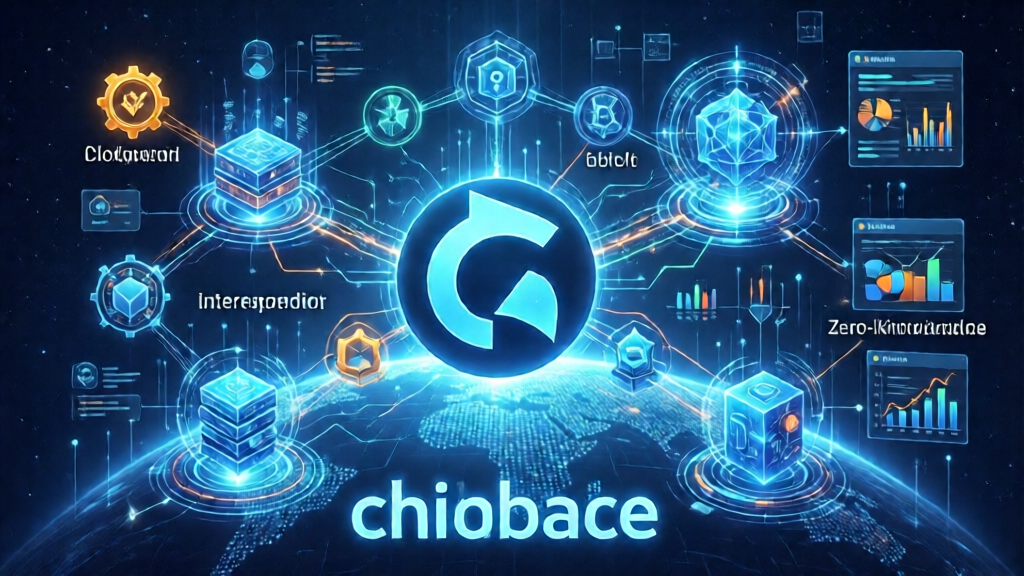
Coinbase’s Innovations in Blockchain
Incorporating cutting-edge technologies like interoperability and zero-knowledge proofs, Coinbase is setting itself apart in the market. Offering enhanced security features and streamlined user experiences, these innovations position Coinbase to tackle growing challenges in the crypto space.
Conclusion: The Future of Coinbase and Blockchain Technology
In conclusion, as the blockchain landscape rapidly evolves, keeping pace with innovative solutions like those provided by Coinbase is crucial. To further explore these advancements and secure your digital assets, consider downloading our toolkit with valuable resources.
